Federal funding: Energy and resource efficiency
The federal government’s promotional loan provides a high level of funding for particularly climate-friendly components, systems and solutions and a repayment subsidy of up to 60 percent.
The federal government’s promotional loan provides a high level of funding for particularly climate-friendly components, systems and solutions and a repayment subsidy of up to 60 percent.

The Ministry of Economic Affairs, Industry, Climate Protection and Energy of the State of North Rhine-Westphalia supports small and medium-sized enterprises on their way to climate neutrality.
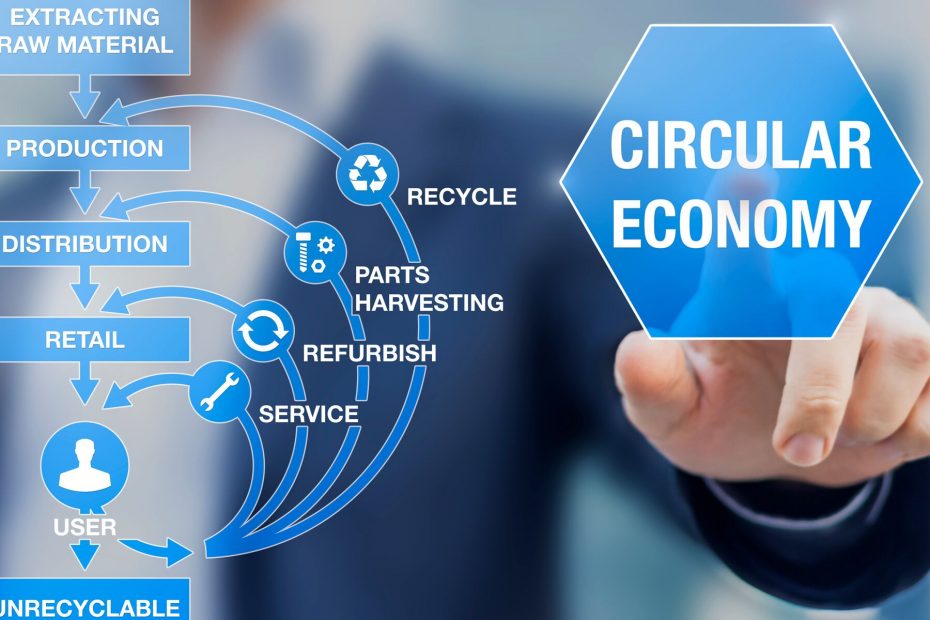
The CIRCO method supports companies in developing circular approaches. The Effizienz-Agentur NRW is the first CIRCO hub in Germany and conducts a series of workshops with NRW companies.
The EU’s planned blanket ban on around 10,000 PFAS substances would have a negative impact throughout the mechanical and plant engineering sector. The substances must be viewed in a differentiated manner.
Corporate environmental protection encompasses a variety of different aspects – participants helped determine the focus of the event.
The strategic anchoring of sustainability in the company is gaining in importance: Increasing transparency obligations with regard to sustainability will in future also affect medium-sized companies to some extent.

The Product Carbon Footprint (PCF) is crucial in the calculation of greenhouse gas emissions. The event outlined how VDMA supports companies in PCF calculation.